Why I Travel to Hear Their Stories
The value of meeting Berlin Airlift eyewitnesses in person
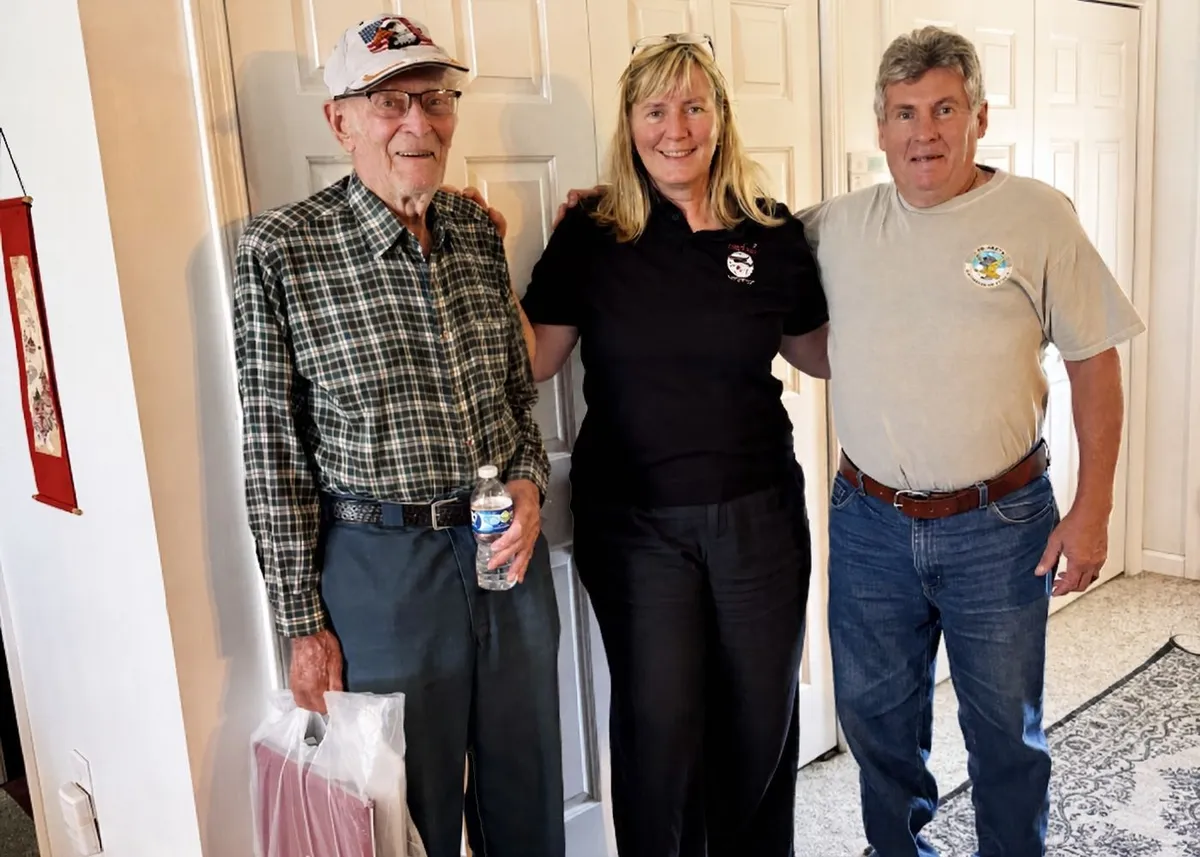
People sometimes ask me why I travel so much to conduct interviews. Wouldn’t it be easier, they ask, to just call people? Or schedule a Zoom interview?
In theory, yes. In practice, not necessarily.
Many of the people I interview are in their 90s or even 100s. Some have difficulty hearing, and others aren't particularly comfortable with technology. Zoom links, passwords, microphones that don't work, cameras pointed at the ceiling, speakers that aren't loud enough, and internet connections that freeze at precisely the wrong moment can turn a simple conversation into a technical support session.
But there is a bigger reason I prefer to sit across from someone whenever I can: I want to meet the person, not just collect answers.
A Conversation Is More Than Words
When I am sitting with someone, I can see their face. I can tell when a memory makes them smile. I can see when they are searching for something that happened nearly eighty years ago. I can slow down, encourage them, laugh with them, or simply give them a little time.
They can see me, too. That matters. An interview is not an interrogation. Especially when I am asking someone to reach back across most of a lifetime, I want it to feel like a conversation between two people.
Sometimes a smile says, “Take your time. I’m listening.”
And sometimes, the most important thing I can do is say nothing at all. That is much harder to sense over the telephone.
The Room Is Part of the Story
Another advantage of being there is something I never fully appreciated until I began doing these interviews.
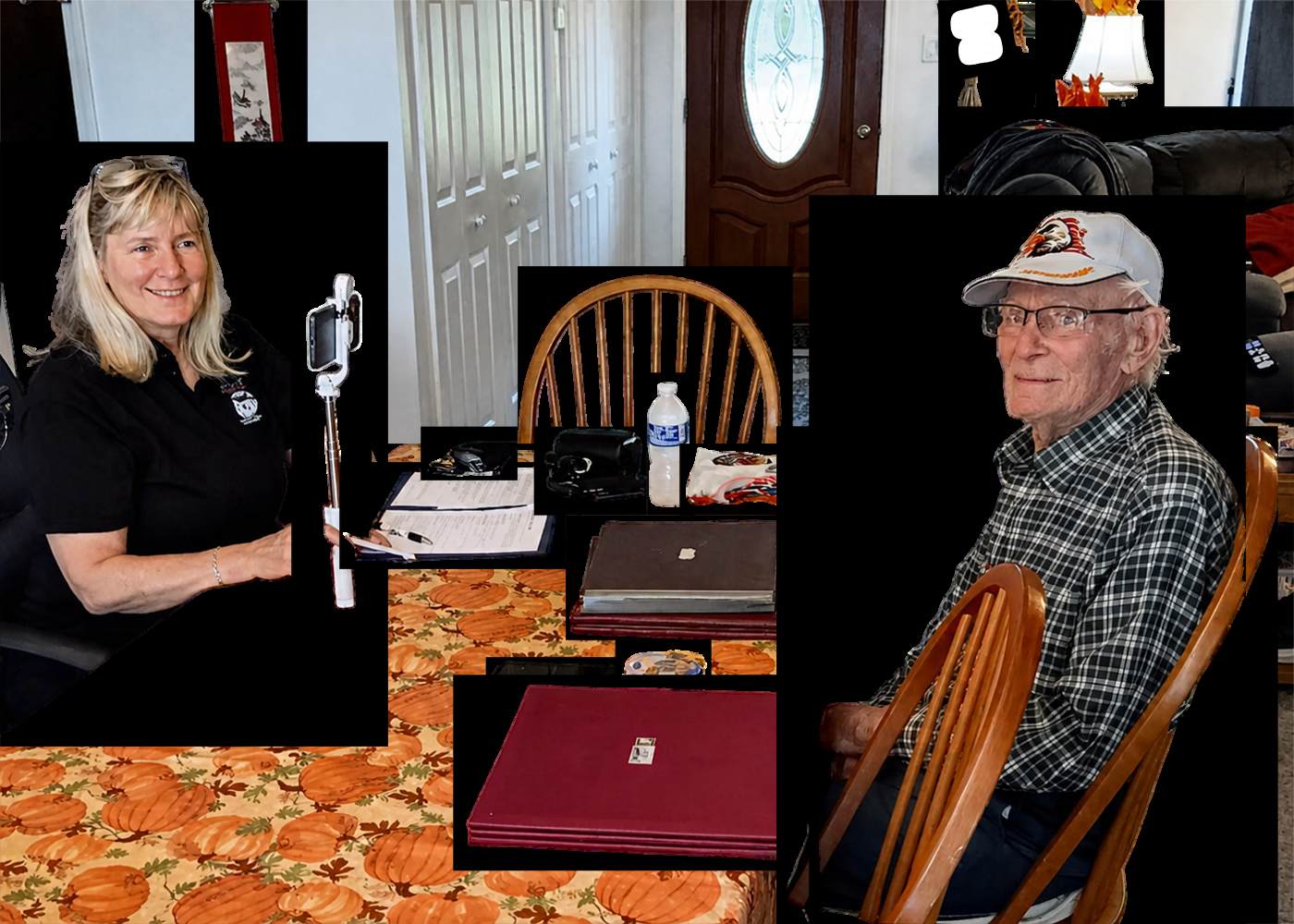
I can look around. A photograph on the wall might prompt a question. A military patch on a shelf might lead somewhere completely unexpected.
Someone may suddenly say, “Oh, I have something you should see,” disappear into another room, and return carrying a box that has not been opened in years. And then the interview changes.
Out come photographs, letters, military papers, souvenirs, maps, photo albums, and pieces of a life that no list of prepared questions could have anticipated. Those objects do something remarkable: they unlock memory.
A photograph can bring back a place. A name written on the back can bring back a person. One picture can suddenly lead to a story that has been hiding for seventy or eighty years.
I cannot ask about something I do not know exists. When I sit in the room with a veteran or someone who experienced the Airlift as a child, I never know what might lead to the next story.
The Things I Would Have Missed
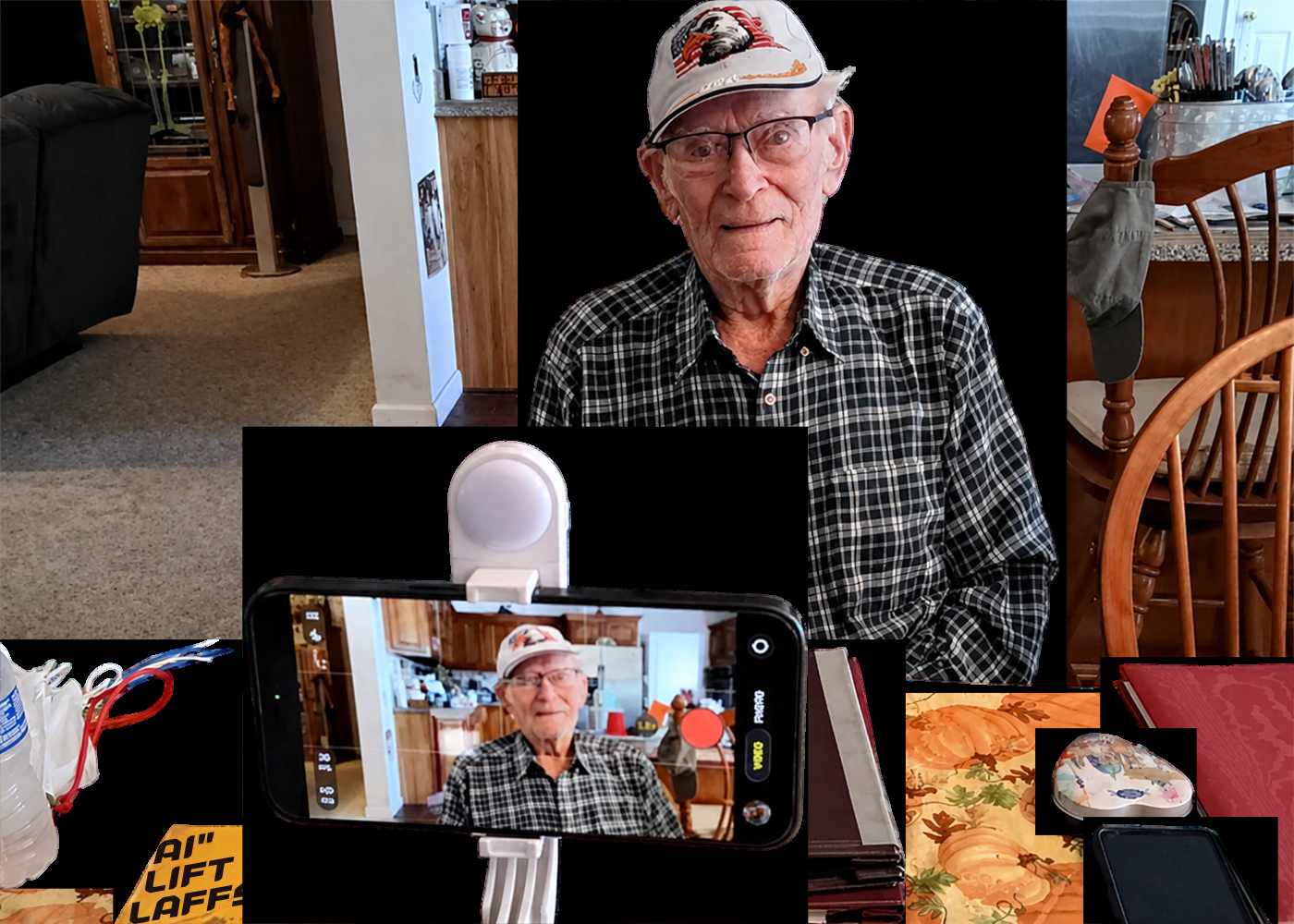
I think about John Mazella. Had I interviewed him only by telephone, I could have asked him about the Berlin Airlift. I could have recorded his answers and learned a great deal.
But I would not have witnessed the moment of John dancing with his wife. That was not an answer to one of my questions. It was life happening in front of me. And that is part of his story, too.
I think about Norm Crone and the photographs he took while serving in Germany.
Sitting together and going through his photo albums opened an entirely different window into his experience. Among them were images of Germany's destroyed cities, aircraft, people he had met, and places he had visited.
These weren't photographs from a history book. They were pictures Norm had taken himself, recording what he had seen through his own eyes.
As we looked through the photographs together, memories surfaced, prompting questions and stories I might never have discovered otherwise.
Had we spoken only on the telephone, I might not even have known those albums existed, let alone discovered the stories behind the pictures.
An interview that begins with “Tell me about the Berlin Airlift” can suddenly become something much richer: Who is that standing beside you? Where was this taken? What happened there? Why did you keep this?
Those small questions often lead to the most human answers.
Memory Does Not Always Arrive on Schedule
Something else I have learned is that memory has its own timetable.
I may arrive with an interview outline and carefully prepared questions, but memory does not particularly care about my outline.
Someone may remember very little when we first sit down. Then we talk. We look at pictures. We wander into another subject. A family member mentions a name. Someone gets up to find an old photograph. And suddenly a detail returns.
One memory pulls another one behind it.
That is one reason I rarely think of these interviews as simply recording historical facts. I am spending time with someone while they reconstruct a part of their own life.
I don’t want to hurry that.
Then There Are the Stories After the Interview
Anyone who conducts oral-history interviews probably knows this phenomenon.
You finish. You stop recording. You begin putting things away. And then your interviewee says:
“Did I ever tell you about…?”
No. No, you haven’t. And suddenly, you reach for the recorder again.
Some stories emerge only after people feel comfortable enough to share them with you. Sometimes they just need an hour of conversation before the memory surfaces.
Being present gives that relationship time to develop.
Is It Efficient?
Probably not.
Flying or driving across the country is certainly not the most efficient way to conduct an interview.
There are rental cars, airports, hotel rooms, schedule changes, luggage, and delayed flights to deal with ...not to mention the occasional morning when I open my eyes in yet another Airbnb or hotel room and need a few confused seconds to figure out:
Where am I?
Zoom would certainly solve that particular problem. But efficiency is not the only measure that matters.
I want to preserve something that cannot be recreated later.
Nearly eighty years after the Berlin Airlift, I still have the privilege of hearing its stories from people who were there. Every interview is an opportunity to preserve not only what happened, but how someone remembers it—the expressions, the laughter, the pauses, the photographs they pull from an album, and the seemingly insignificant details that turn history back into human experience.
If traveling lets me capture even one story I would otherwise miss, then the trip was worth it.
In Person, When Possible
There will always be times when a telephone or video interview makes sense.
Distance, health, timing, mobility, and many other circumstances may make an in-person visit impossible. And I would much rather record someone's story remotely than lose the opportunity altogether.
But when I have a choice, I will keep showing up.
I will sit at kitchen tables and living-room sofas.
I will look through photo albums.
I will ask about the picture on the wall.
I will listen when a story takes an unexpected turn.
Because somewhere along the way, someone may pull an old photograph from a drawer, dance with his wife, point to a face in an album, or tell me something I never would have known to ask.
Those are the moments and stories worth traveling for.
Do You Have a Berlin Airlift Story to Share?
Do you or someone you know have a personal connection to the Berlin Airlift? I'd love to hear from you. Every story adds another piece to this remarkable history.
